Addressing Grease Stains on Carpets: Proven Removal Techniques
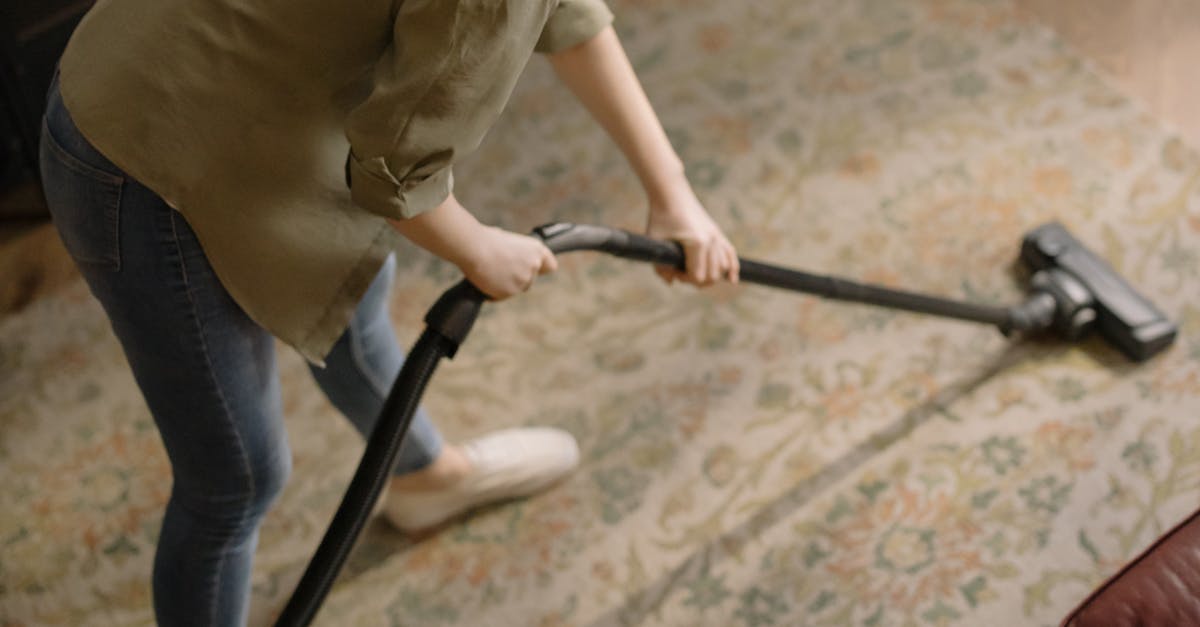
Table Of Contents
Special Considerations for Different Carpet Types
When dealing with grease stains, it's essential to consider the type of carpet involved. Wool carpets require a gentler approach due to their natural fibres, which can be easily damaged by harsh chemicals. It is advisable to use mild detergent solutions combined with warm water. Testing any cleaner in an inconspicuous area first helps prevent discolouration.
Synthetic carpets, on the other hand, tend to be more resilient to different cleaning methods. Generally, commercial cleaning products designed for synthetic fabrics can effectively lift grease stains. Hot water extraction is also a viable option for these carpets, as it utilises heat and moisture to break down stubborn stains without harming the fibres. Understanding the unique properties of each carpet type leads to more effective cleaning strategies.
Cleaning Methods for Wool vs. Synthetic
When dealing with grease stains on wool carpets, it's essential to approach the cleaning process gently. Start by blotting the stain with a clean, dry cloth to absorb excess grease. Using a solution specifically designed for wool is advisable. Apply the cleaner sparingly, ensuring it doesn’t saturate the carpet fibres. A soft-bristled brush can help work the cleaner into the fibres without causing damage. After treatment, use a damp cloth to blot away any remaining solution, followed by a thorough vacuum once the area is dry to restore the carpet's texture.
In contrast, synthetic carpets are typically more resilient and can handle a variety of cleaning agents. Begin by blotting the stain using a paper towel, then mix a mild dish soap with warm water. Apply the soapy solution directly onto the stain and gently scrub with a cloth. It’s crucial to rinse the area with clean water to remove any soap residue, which could attract dirt if left behind. After drying, a vacuum can help lift any flattened fibres, leaving the carpet looking fresh and clean.
Preventing Future Grease Stains
Taking proactive steps can greatly reduce the likelihood of grease stains marred carpets. Placing protective mats in areas prone to spills can shield the carpet and make clean-ups easier. Regular vacuuming helps to remove dirt and debris that can trap grease, while spot cleaning any stains immediately can prevent them from setting.
Proper dining practices can also play a role in preventing future mishaps. Encouraging family members and guests to take care when eating or drinking near carpeted areas will help maintain its appearance. Using coasters and placemats can further guard against accidental spills, making it easier to enjoy meals without worrying about potential grease stains.
Tips for Maintaining Carpet Cleanliness
Regular vacuuming serves as the first line of defence against dirt and grime accumulation. High-traffic areas, in particular, benefit from being vacuumed at least once a week. Investing in a vacuum cleaner equipped with a HEPA filter can capture finer particles and allergens, contributing to a cleaner environment. Additionally, consider using vacuum attachments to reach corners and crevices where debris tends to gather.
Implementing a no-shoes policy can significantly reduce the amount of dirt tracked onto carpets. Providing a designated area for shoes at entry points encourages this practice. Routine spot cleaning is essential to keep spills from becoming stains, and having a carpet-cleaning solution on hand can make this process more efficient. By practicing preventative measures, the longevity and appearance of your carpets can be greatly enhanced.
Dealing with Old Grease Stains
Old grease stains can seem daunting, but various methods can restore your carpet’s appearance. Start by testing a small, inconspicuous area with your chosen cleaning solution. Blot the stain gently using a clean cloth. This helps to lift the grease without further embedding it into the fibres. Avoid rubbing, as this may damage the carpet.
If the initial attempts do not yield results, consider using a mixture of warm water and dishwashing detergent. Apply the solution and let it sit for several minutes before blotting again. For particularly stubborn stains, incorporating white vinegar can assist in breaking down the grease. Rinse the area with clean water afterwards and ensure thorough drying to prevent mould or mildew growth.
Techniques for Tackling Stubborn Marks
Old grease stains can be particularly persistent, and tackling them requires a methodical approach. Start by applying a few drops of dishwashing liquid directly onto the stain. Gently work the solution into the carpet fibres with a soft cloth, ensuring you do not rub too hard, as this can damage the carpet. Allow the solution to sit for approximately 10 minutes to break down the grease before blotting the area with a clean cloth soaked in warm water. Repeat this process, replacing the cloth as necessary, until the stain begins to lift.
For particularly stubborn marks, consider using a mixture of baking soda and vinegar. Sprinkle a generous amount of baking soda over the stain, then lightly spray with white vinegar. The reaction between the two will create bubbles that help lift the stain. Once the fizzing has subsided, gently scrub the area with a soft brush or cloth. Rinse with warm water and blot dry. This combination not only works effectively but also avoids harsh chemicals, making it a safer choice for most carpet types.
FAQS
What is the best method for removing grease stains from wool carpets?
For wool carpets, it's best to use a gentle cleaning solution, such as a mix of mild dish soap and warm water. Dab the stain with a clean cloth, being careful not to rub too hard, as this can damage the fibres.
Can synthetic carpets handle more aggressive cleaning methods?
Yes, synthetic carpets are generally more resilient and can tolerate stronger cleaning solutions. However, it's still advisable to test any new product on an inconspicuous area first to ensure it won't cause discolouration.
What precautions should I take when cleaning grease stains on carpets?
Always blot the stain instead of rubbing, start with the least aggressive cleaning method, and ensure the area is well-ventilated. Additionally, test any cleaning solution on a small, hidden area of the carpet first.
How can I prevent grease stains from occurring in the future?
To prevent grease stains, use coasters for oily foods, keep carpets clean by vacuuming regularly, and consider applying a carpet protector that repels stains.
What techniques can I use to tackle older, stubborn grease stains?
For old grease stains, try using a mixture of baking soda and vinegar to lift the stain. Apply it to the area, let it sit for a few minutes, and then blot it away with a clean cloth. If necessary, repeat the process until the stain is removed.
Related Links
Solutions for Unpleasant Odours in Carpets Caused by StainsThe Best Methods for Treating Pet Urine Stains on Carpets
Steps for Getting Out Nail Polish Stains from Carpets
Strategies for Eliminating Mud and Dirt Stains from Your Carpet
Treating Blood Stains on Carpets: Quick and Efficient Methods
How to Successfully Remove Food Stains from Your Carpet
Removing Ink Stains from Carpet: Step-by-Step Techniques