How to Extend the Lifespan of Your Carpets at Home
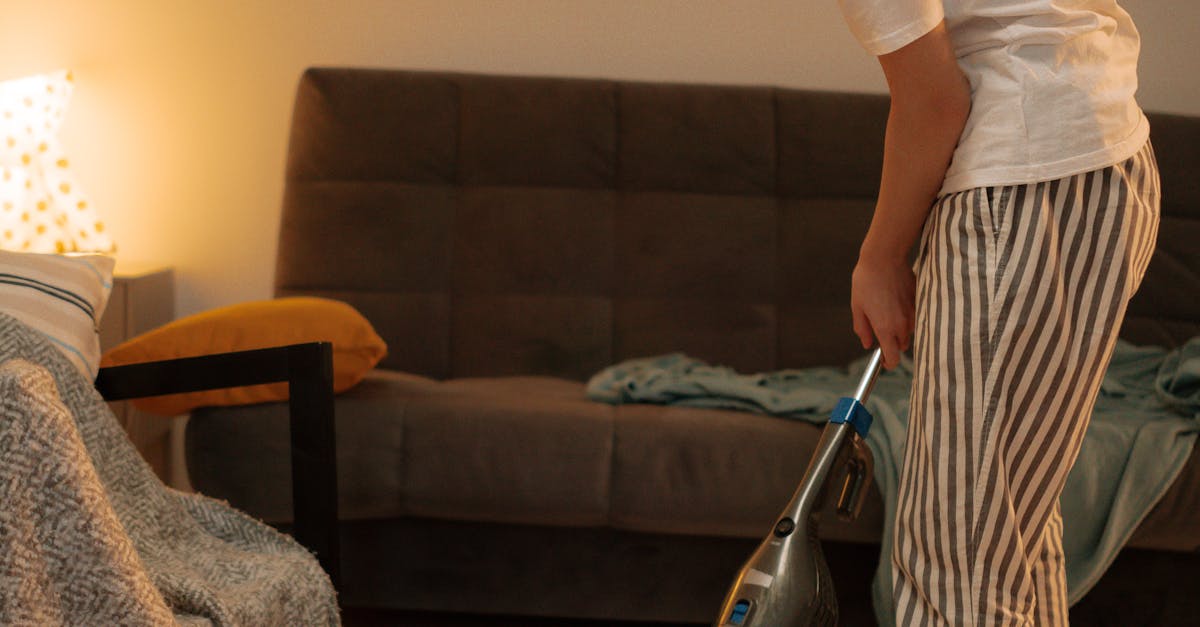
Table Of Contents
Managing Pet Traffic
Pets bring joy to our homes, but they can also pose challenges for carpet maintenance. Establishing designated areas for your pets can help minimise wear and tear. Providing a comfortable pet bed or mat in a specific corner encourages them to stay in one spot rather than roam freely across the carpeted areas. This simple adjustment can significantly reduce the amount of dirt, fur, and potential stains introduced to your carpets.
Regular grooming can also play a key role in managing pet traffic. Brushing your pets frequently helps control shedding, which reduces the amount of hair that settles into the carpet fibres. Additionally, having a routine for cleaning up after pets ensures that any accidents are dealt with promptly, preventing stains from setting in. By being proactive in these areas, you can maintain the appearance and longevity of your carpets while enjoying the company of your furry friends.
Tips for Reducing Pet Damage
Regular grooming is essential for reducing pet-related damage to carpets. Brushing your pets frequently helps to minimise shedding and reduces the amount of fur that latches onto carpet fibres. Bathing pets also plays a vital role in controlling odours and keeping their paws clean, which can help reduce stains and tracking dirt inside the home.
Creating designated areas for your pets can further protect your carpets. Consider using pet beds or mats in high-traffic zones where they tend to relax or play. Training pets to stay within these boundaries can prevent them from scratching or digging on carpeted surfaces. Using pet-friendly rugs in these areas can also serve as a barrier and is easier to clean or replace when needed.
Rotating Furniture Placement
Regularly rearranging furniture can significantly enhance the lifespan of carpets. When heavy furniture pieces remain stationary for extended periods, they create pressure marks and indentations on the carpet fibres. By shifting furniture placement every few months, you allow the carpet to recover from these pressures, promoting a more uniform wear across its surface. This simple practice not only helps maintain the aesthetic appeal of your flooring but also contributes to its durability over time.
In addition to preventing indentations, moving furniture can also help in addressing potential wear patterns caused by foot traffic. As certain areas of your carpet receive more use, they become more susceptible to fading and fraying. By strategically relocating furniture, you can distribute foot traffic more evenly throughout your space. This proactive measure fosters a balanced environment for your carpet, encouraging its overall longevity and maintaining its vibrancy longer than it would otherwise.
Benefits of Furniture Movement
Regularly rearranging furniture can significantly contribute to the longevity of your carpets. This practice prevents the development of permanent indentations created by heavy pieces consistently situated in the same spot. Carpet fibres can become flattened over time, leading to an uneven appearance. By shifting furniture around, you allow the carpet to recover, maintaining a fuller and more vibrant look.
In addition to preserving the texture, altering the placement of furniture allows for even wear across the carpet's surface. High-traffic areas will benefit from reduced pressure and abrasion when furniture is moved periodically. This can enhance the overall aesthetics of your space while minimising the need for deep cleaning or replacement, ultimately saving costs in the long run.
Controlling Humidity Levels
Maintaining appropriate humidity levels is crucial for the longevity of carpets in your home. High humidity can lead to the growth of mould and mildew, which not only damages your carpets but also poses a health risk. Conversely, excessively low humidity can cause carpets to become brittle and prone to creasing. A hygrometer can help monitor indoor humidity, ideally keeping it between 30% and 50%.
Using a dehumidifier during humid months can effectively reduce moisture levels. On the other hand, during dry seasons, a humidifier may be necessary to add moisture to the air. Ensuring proper ventilation in areas prone to dampness, such as bathrooms and kitchens, also aids in controlling humidity levels. Regularly checking for any water leaks or sources of excess moisture is an essential part of carpet care that should not be overlooked.
Ideal Conditions for Carpet Care
Maintaining the right humidity levels in your home plays a crucial role in the longevity of your carpets. Ideally, humidity should be kept between 30% and 50%. Excess moisture can lead to mould growth and unpleasant odours, while dry conditions can cause fibres to become brittle and prone to wear. Regularly using a dehumidifier or an air conditioner can help stabilise these levels, ensuring your carpets remain in good condition.
Temperature also impacts your carpets significantly. Keeping indoor temperatures between 18°C and 24°C creates a comfortable environment that helps preserve the integrity of the carpet fibres. Avoid placing carpets near direct heat sources like radiators or fireplaces, as high temperatures can cause fading and damage. Ensuring proper ventilation in the room where the carpets are located also contributes to better air quality, preventing dust and allergens from settling deep into the fibers.
FAQS
How often should I vacuum my carpets to extend their lifespan?
It is recommended to vacuum your carpets at least once a week. High-traffic areas may require more frequent vacuuming to remove dirt and debris that can wear down the fibres.
What are some effective ways to manage pet traffic on carpets?
To manage pet traffic, consider creating designated play areas for your pets, using area rugs in high-traffic zones, and implementing regular grooming to reduce shedding.
How can rotating furniture placements help preserve carpets?
Rotating furniture placements helps distribute wear evenly across the carpet, preventing permanent indentations and ensuring that the fibres do not get flattened in specific areas.
What humidity levels are ideal for carpet care?
Ideally, humidity levels in your home should be maintained between 30% and 50%. This helps prevent moisture-related issues like mould growth and also protects carpet fibres from becoming too dry or brittle.
Are there any specific cleaning products I should avoid using on carpets?
Yes, avoid using bleach or harsh chemical cleaners, as these can damage the carpet fibres and alter their colour. Opt for pH-balanced cleaning solutions that are specifically designed for carpets.
Related Links
Effective Ways to Remove Dirt and Debris from Your CarpetsBest Practices for Carpet Vacuuming Techniques
Tips for Protecting Carpets from Wear and Tear
The Impact of Humidity on Carpet Care in Brisbane
Understanding Carpet Fabrics for Better Maintenance
The Importance of Professional Carpet Care in Residential Settings
Evaluating the Need for Professional Carpet Cleaning Services