Using Cornstarch for Absorbing Carpet Stains
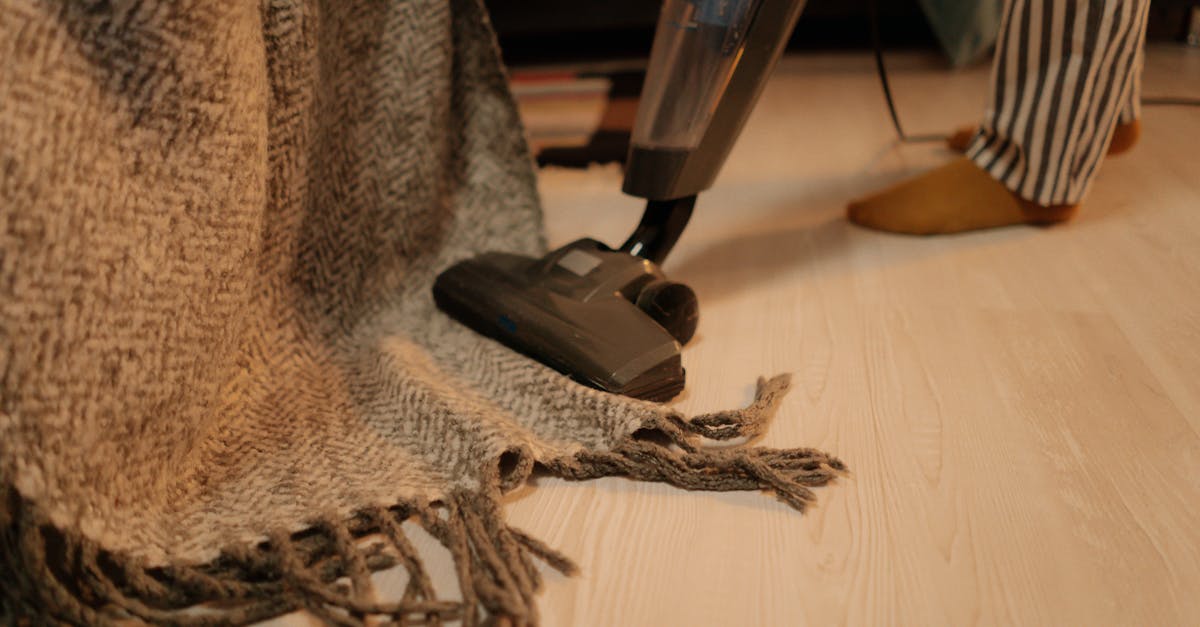
Table Of Contents
Cleaning Up After Cornstarch Treatment
Once the cornstarch has had time to absorb the stain, it is essential to clean up the residue effectively. Begin by gently vacuuming the area to lift the dried cornstarch. Ensure that the vacuum cleaner uses a low suction setting to avoid damaging the carpet fibres. Go over the area multiple times, as this will help remove all remnants of the cornstarch while also allowing you to check whether any stain has transferred to the powder.
After vacuuming, a damp cloth can be helpful for dealing with any remaining stain that may still be present. Blot the area with the damp cloth, being careful not to scrub, as this could spread the stain further. Rinse the cloth frequently to avoid reapplying any stain back onto the carpet. This two-step process helps ensure a thorough clean-up while restoring the carpet's appearance.
Proper Techniques for Removing Cornstarch Residue
Once the cornstarch has had adequate time to absorb the stain, it’s crucial to remove the residue without damaging the carpet fibres. Start by gently using a soft-bristled brush or a vacuum cleaner to lift the dried cornstarch. Take care not to scrub too harshly, as this could push the cornstarch deeper into the carpet or damage the surface. Ensure that you are working in the direction of the carpet pile for a more effective clean.
After vacuuming, if any residue remains, dampen a clean cloth with warm water. Lightly blot the affected area while being careful not to over-saturate the carpet. A mild dish soap solution may be used for additional cleaning if necessary. Once you have removed the residue, use a dry cloth to soak up excess moisture and promote faster drying of the carpet.
Additional Stain-Removing Techniques
There are several effective methods to tackle stubborn carpet stains that go beyond using cornstarch. Baking soda serves as an excellent alternative, known for its absorbent properties. It can help neutralise odours while lifting stains. By sprinkling baking soda over the stain and allowing it to sit for a few hours, its power can draw out moisture and grime when vacuumed afterwards.
Another useful technique involves utilising vinegar and water as a natural cleaning solution. Mixing equal parts of white vinegar and water can create a potent stain remover. Apply the solution to the affected area with a cloth, gently blotting rather than rubbing. This method can break down hard-to-remove stains effectively while also leaving your carpet fresh and clean.
Combining Cornstarch with Other Household Items
Cornstarch can be effectively combined with other common household items to enhance its stain-absorbing properties. For instance, mixing cornstarch with baking soda creates a powerful paste that helps tackle tougher stains. This combination works particularly well on grease marks or oil spills, as both ingredients draw out moisture while neutralising odours. The resulting paste can be applied to the stained area and left to sit for a period, allowing it to absorb the stain before being vacuumed away.
Another effective method involves combining cornstarch with vinegar. This mixture serves as a natural cleaning solution that not only works to lift stains but also helps freshen up carpet fibres. The acetic acid in vinegar complements the cornstarch’s absorbent qualities, making it ideal for tackling spots caused by food or drinks. After applying this solution, leaving it to dry before gently brushing or vacuuming can help restore the carpet’s appearance while ensuring that residue is minimal.
Preventing Future Stains on Carpets
Keeping carpets clean and maintaining their appearance can be achieved through consistent care and prevention strategies. Regular vacuuming eliminates loose debris that can lead to dirt buildup. Consider placing mats or rugs in high-traffic areas to capture dirt before it reaches your carpet.
Establishing rules for food and drink consumption in carpeted areas can significantly reduce the risk of stains. Encourage the use of coasters and spill-proof containers, especially in family rooms or dining areas. Additionally, promptly addressing any spills can prevent them from setting, making future cleaning much easier.
Tips for Maintaining Clean Carpets
Regular vacuuming is essential for preserving the quality of carpets. Aim to vacuum at least once a week, or more often in high-traffic areas. This practice not only removes dirt and dust but also helps prevent the buildup of grime that can lead to staining. Pay special attention to the edges and corners where dirt tends to accumulate. Investing in a vacuum cleaner with a HEPA filter can further enhance the cleanliness of your carpets by trapping allergens and fine particles.
Consider implementing additional protective measures to extend the life of your carpets. Using area rugs in high-use spaces can help shield your carpet from wear and tear. Adding mats at entrances can reduce the amount of dirt tracked into your home. Also, treating carpets with a protectant spray can make it easier to clean up spills before they become stains. Regular professional cleanings, ideally every 12 to 18 months, can rejuvenate carpet fibres and maintain appearance.
FAQS
How does cornstarch help in absorbing carpet stains?
Cornstarch is a natural absorbent that can soak up liquids and oils from carpet stains, making it easier to clean and remove unwanted marks.
Can cornstarch be used on all types of carpets?
While cornstarch is generally safe for most carpet types, it's always best to test it on a small, inconspicuous area first to ensure there’s no discolouration or damage.
How long should I leave cornstarch on a stain before vacuuming it up?
It’s recommended to leave cornstarch on the stain for at least 15-30 minutes, allowing it enough time to absorb the liquid.
What are some common household items that can be combined with cornstarch for better stain removal?
Common household items that can enhance cornstarch's effectiveness include vinegar, baking soda, and dish soap, which can help break down stains more effectively.
What preventive measures can I take to avoid future carpet stains?
Regular vacuuming, using carpet protectors, and promptly cleaning spills can significantly reduce the risk of stubborn stains forming on your carpets.
Related Links
The Effectiveness of Hydrogen Peroxide on Carpet StainsHomemade Carpet Cleaner Recipes for Tough Stains
Creating a Multi-Purpose Eco Carpet Cleaning Spray
The Impact of Green Cleaning Products on Carpet Stains
The Role of Citrus in Stain Removal for Carpets