Impact of Climate on Carpet Maintenance for Brisbane Offices
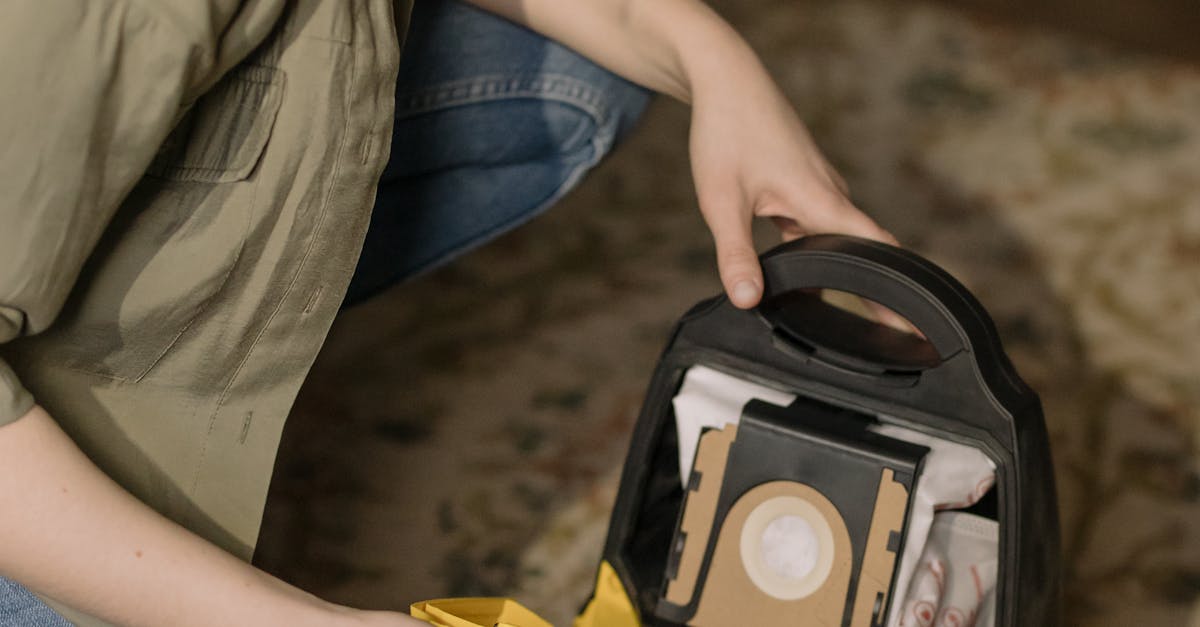
Table Of Contents
Choosing the Right Carpet for Brisbane Offices
Selecting carpet for Brisbane offices requires careful consideration of the local climate. The warm, humid weather in the region can affect the durability and maintenance of flooring materials. Choosing carpets made from synthetic fibres such as nylon or polyester can be beneficial. These materials are not only resilient but also resistant to mildew and mould, which are common concerns in humid environments.
Additionally, opting for low-pile carpet styles can aid in maintaining indoor air quality and reduce allergens. Shorter fibres tend to trap less dust and dirt, making vacuuming easier and more effective. When selecting a carpet, it's important to consider colour and pattern as well; lighter shades may show stains and dirt quickly, while darker options can conceal wear and tear better over time.
Materials and Styles Suited to the Climate
Brisbane's warm, humid climate necessitates careful consideration when selecting carpet materials and styles for office spaces. Natural fibres such as wool offer durability and breathability, making them suitable for high-traffic areas. Synthetic options like nylon and polypropylene are also viable choices due to their stain resistance and ease of maintenance. These materials can withstand the wear and tear associated with office activities while providing comfort for employees.
The selection of colour and texture plays a pivotal role in carpet choice for Brisbane offices. Lighter colours can help brighten spaces, while darker shades may be more practical in hiding dirt and wear. Textured carpets can enhance aesthetics and also help mask soiling. Given the region’s tendency for fluctuating humidity levels, opting for carpets with moisture-wicking properties can mitigate issues related to mould and mildew growth, promoting a healthier work environment.
Common Carpet Issues in Brisbane
Humidity and moisture can lead to significant problems for carpets in Brisbane. Excess moisture often results in mould and mildew growth, which not only diminishes the carpet's appearance but also poses health risks. High humidity levels may also cause carpets to become damp, leading to unpleasant odours and a deteriorated texture. Regular inspections of the carpet are essential for identifying these issues early when they can be more easily addressed.
Sun exposure presents another challenge for carpets in Brisbane. Ultraviolet rays can fade colours and weaken fibres, ultimately compromising the carpet’s durability. Areas frequently exposed to sunlight may show signs of discolouration more rapidly, affecting the overall aesthetic of the office. Implementing protective measures such as window treatments can help mitigate these effects and prolong the life of the carpet, ensuring a fresher and more professional appearance for longer periods.
Identifying Problems Related to Weather Conditions
Brisbane’s warm and humid climate can lead to specific carpet-related issues that office managers should be vigilant about. High humidity often fosters the growth of mould and mildew, especially in areas with poor ventilation. This not only affects the aesthetics of the carpet but can also pose health risks to employees, causing allergic reactions and respiratory problems. Furthermore, excessive heat may lead to warping or shrinking in certain carpet materials, necessitating regular inspections for signs of damage.
In addition to mould growth, the fluctuating weather conditions can result in dirt and debris accumulation on office carpets. Heavy rains can carry moisture and soil into the building, causing staining and discolouration. It’s essential to monitor the state of carpets after significant weather events, as these changes can compromise their integrity over time. Establishing a proactive maintenance schedule will help in addressing these issues promptly, ensuring a clean and functional work environment.
Best Practices for Vacuuming and Spot Cleaning
Regular vacuuming plays a crucial role in carpet maintenance, particularly in a climate like Brisbane's, where humidity can encourage dust and allergens to settle into fibres. Use a high-quality vacuum cleaner equipped with a HEPA filter to effectively capture fine particles. Aim to vacuum high-traffic areas at least twice a week to prevent dirt buildup. For less-travelled sections, a weekly vacuuming routine should suffice. Focus on overlapping strokes to ensure all debris is picked up and adjust the height setting according to the carpet pile for optimal results.
Spot cleaning spills promptly is essential to prevent staining and damage. When addressing a spill, blot the area with a clean cloth to absorb as much liquid as possible. Avoid rubbing, as this can cause the stain to penetrate deeper into the fibres. Use a mild detergent mixed with water and a soft brush to clean the area, followed by another blotting session to remove excess moisture. Always test any cleaning solution on a small, inconspicuous area first to ensure it won’t discolour the carpet. Regularly schedule deep cleaning sessions to maintain the longevity and appearance of the carpet.
Techniques for Maintaining Cleanliness
Regular vacuuming plays a crucial role in carpet maintenance, particularly in a city like Brisbane where humidity can lead to dirt and dust settling more quickly. Using a vacuum cleaner equipped with a HEPA filter can help capture allergens and fine particles that traditional vacuum cleaners may miss. It's advisable to vacuum high-traffic areas more frequently, ensuring that dirt does not become ingrained in the carpet fibres.
Spot cleaning is essential in preventing stains from becoming permanent. Immediate attention to spills is critical; using a clean, dry cloth to dab at the area absorbs most of the liquid. For stubborn stains, a gentle carpet cleaner should be applied according to the manufacturer's instructions. It is important to test any cleaning solution in an inconspicuous area first to avoid discolouration.
FAQS
How does Brisbane's climate affect carpet maintenance?
Brisbane's subtropical climate, with high humidity and temperatures, can lead to increased dirt, mould, and wear on carpets, necessitating more frequent cleaning and maintenance.
What types of carpet materials are best for Brisbane offices?
Synthetic materials like nylon and polypropylene are ideal for Brisbane offices as they are more resistant to moisture, stains, and fading due to sunlight, making them suitable for the local climate.
What common carpet issues should Brisbane office managers be aware of?
Common issues include fading, mould growth, and accumulation of dirt and allergens, often exacerbated by humidity and weather conditions unique to Brisbane.
What are the best practices for vacuuming carpets in Brisbane's climate?
Regular vacuuming at least twice a week is recommended, focusing on high-traffic areas. Using a vacuum with a HEPA filter can also help reduce allergens and keep carpets cleaner.
How can I effectively spot clean carpets in a humid environment like Brisbane?
For effective spot cleaning, always blot spills immediately with a clean cloth, use a carpet cleaner suitable for the carpet type, and ensure the area is dried thoroughly to prevent mould growth.
Related Links
Professional Tips for Extending the Life of Carpet in Commercial SettingsOvercoming Common Carpet Maintenance Challenges in Commercial Environments
How to Evaluate the Effectiveness of Your Carpet Maintenance Routine
Seasonal Carpet Care: Preparing Your Business Carpets for Brisbane Weather
Understanding Wear and Tear: Maintaining Carpets in High-Traffic Areas
Choosing the Right Carpet Care Products for Your Workplace
Recommended Carpet Cleaning Schedules for Brisbane Businesses