Understanding Wear and Tear: Maintaining Carpets in High-Traffic Areas
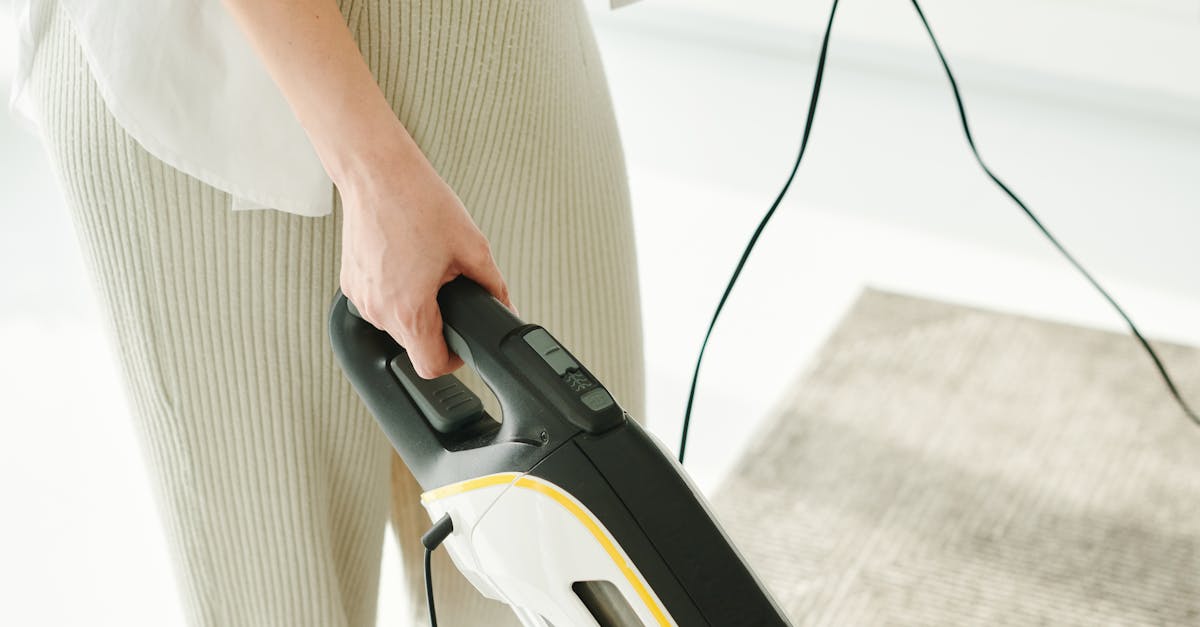
Table Of Contents
Using Area Rugs and Runners
Area rugs and runners serve as effective solutions for protecting carpets in busy spaces. Placing these items strategically can significantly reduce direct foot traffic on the carpeted areas. Selecting rugs with patterns and textures can also help disguise dirt and wear. Opting for durable materials ensures longevity, especially in high-traffic zones where the potential for damage is greater.
In addition to providing protection, area rugs and runners can enhance the overall aesthetic of a room. They allow for increased creativity in decor while also contributing warmth and comfort. Choosing the right size is crucial as it should complement the room's layout, providing a cohesive look without overwhelming the existing design. Regular cleaning and maintenance of these rugs will enhance their effectiveness and keep them looking fresh.
Protecting Carpets from Heavy Footfall
High-traffic areas, such as hallways and entryways, often suffer the most from wear and tear due to continual footfall. To mitigate damage, strategic placement of furniture can help distribute weight more evenly across carpeted surfaces. Placing heavier furnishings in zones where people frequently pass can create natural pathways that protect the carpet underneath. Additionally, utilising area rugs in these spaces serves a dual purpose; they not only add aesthetic appeal but also act as a buffer against dirt and abrasion.
Regular maintenance is crucial to extend the lifespan of carpets in busy environments. Regular vacuuming can effectively remove surface dirt and prevent it from embedding into the fibres. Implementing a schedule for professional deep cleaning is another essential step, as this can rejuvenate carpet fibres and remove stubborn grime. In high-traffic areas, consider choosing carpets made from durable materials that are designed to withstand significant use; choosing the right type of carpet can make a considerable difference in longevity and appearance.
Dealing with Stains and Spills
Stains and spills can be a frequent challenge in homes with carpets, especially in areas with heavy foot traffic. Quick action can make a significant difference in the outcome. Blotting the spill immediately with a clean, dry cloth absorbs excess liquid before it settles deeply into the fibres. Be careful not to rub, as this can damage the carpet's texture and spread the stain further.
Different types of stains require tailored approaches to treatment. For organic stains like food or drink, warm soapy water often suffices for removal. In contrast, more stubborn stains such as ink or red wine may need specific cleaning solutions designed for carpets. Testing any cleaner on a concealed area of the carpet ensures that there is no adverse reaction. Prompt attention and the right techniques can help restore the carpet’s appearance and longevity.
Best Practices for Immediate Response
Prompt attention to spills can significantly mitigate damage to carpets. As soon as liquid is accidentally spilled, blot the area with a clean, white cloth or paper towel. It's crucial to avoid rubbing, as this can exacerbate the problem by pushing the liquid deeper into the carpet fibres. Use a dabbing motion instead. If the spill involves a substance with a strong colour, such as red wine or coffee, immediately sprinkle some salt or baking soda over the area to absorb the excess liquid while preventing staining.
After the initial blotting, it's important to apply a suitable cleaning agent. Always test the cleaner on a hidden area of the carpet first to ensure it does not discolour or damage the fabric. Once verified, carefully treat the stain following the manufacturer's instructions. Rinse the area with cool water afterward, then blot dry once again. Regular maintenance can also help. Having a carpet cleaner on hand for emergencies assists in swift responses to unexpected mishaps.
Carpet Repairs and Restoration
Carpet damage can vary from minor wear to significant tears. Small issues such as loose threads or frayed edges can often be repaired with simple sewing techniques or adhesive products specifically designed for carpets. If the damage is more extensive, such as burns or stains that won't come out, consider patching the affected area with a piece of carpet from a less visible section or using a professional service to ensure a seamless repair.
In some cases, restoration might involve deep cleaning or re-stretching the carpet to eliminate wrinkles and bubbles that have formed over time. Professional cleaning can remove embedded dirt and allergens, restoring the carpet’s appearance and extending its life. Evaluating whether a carpet should be replaced or repaired often hinges on the severity of the damage, the material of the carpet, and the overall age of the flooring. Maintaining regular inspections can assist in making informed decisions regarding repairs or replacement.
When to Replace vs. Repair
Deciding between carpet replacement and repair can often be a daunting task, especially in high-traffic areas. Evaluating the extent of the damage is crucial. Minor issues like small stains, frayed edges, or isolated wear can often be addressed through professional cleaning or repair, which is generally more economical. However, significant damage, such as large rips, extensive discolouration, or structural issues, may warrant a complete replacement.
Cost-effectiveness also plays a pivotal role in decision-making. For homeowners, weighing the expense of repairs against the price of new carpeting can highlight whether investing in restoration is worthwhile. New carpet not only enhances the aesthetic but can also provide improved durability, especially with modern materials engineered for high-traffic environments. Familiarity with fabric types and their wear ratings can guide this decision, ensuring that the chosen option aligns with intended use and financial considerations.
FAQS
What are the best types of rugs to use in high-traffic areas?
Area rugs made from durable materials such as wool or synthetic fibres are ideal for high-traffic areas, as they can withstand heavy footfall while providing comfort and style.
How can I protect my carpets from heavy foot traffic?
Using area rugs and runners in strategic locations can help protect your carpets from damage caused by heavy foot traffic. Additionally, placing furniture strategically can help direct foot traffic away from high-wear areas.
What should I do if a spill occurs on my carpet?
For immediate response to spills, blot the area with a clean cloth to absorb the liquid, then treat the stain with an appropriate cleaner based on the type of stain and carpet material. Avoid scrubbing, as this can damage the fibres.
When should I consider repairing my carpet instead of replacing it?
You should consider repairing your carpet if the damage is minor, such as small stains or frayed edges. However, if the carpet is extensively worn, has significant stains, or is beyond repair, replacement may be the better option.
How often should I clean my carpets in high-traffic areas?
Carpets in high-traffic areas should be vacuumed at least once a week and deep cleaned every 6 to 12 months, depending on the level of foot traffic and specific usage to maintain their appearance and longevity.
Related Links
Overcoming Common Carpet Maintenance Challenges in Commercial EnvironmentsChoosing the Right Carpet Care Products for Your Workplace
How to Evaluate the Effectiveness of Your Carpet Maintenance Routine
Seasonal Carpet Care: Preparing Your Business Carpets for Brisbane Weather
Professional Tips for Extending the Life of Carpet in Commercial Settings
Impact of Climate on Carpet Maintenance for Brisbane Offices
Recommended Carpet Cleaning Schedules for Brisbane Businesses