The Importance of Regular Carpet Inspections for Commercial Spaces
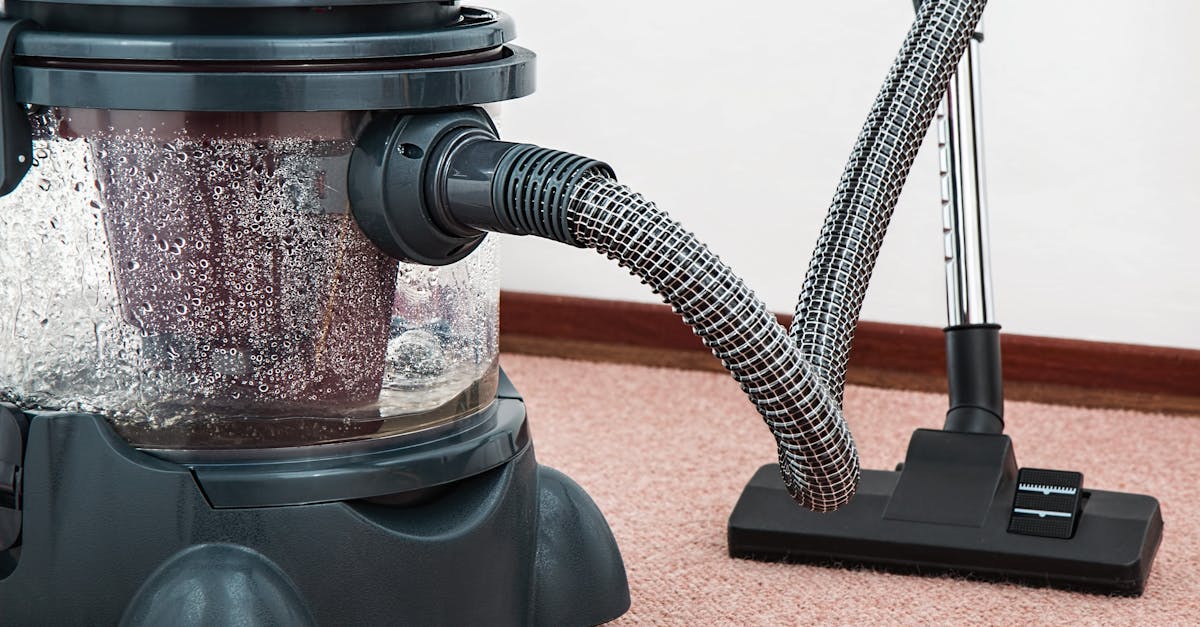
Table Of Contents
Choosing the Right Inspection Schedule
Establishing a systematic inspection schedule is vital for maintaining the integrity of carpets in commercial spaces. Regular inspections help identify wear and tear, stains, and potential damage before they escalate into costly repairs or replacements. For most businesses, a combination of routine checks and detailed assessments can provide a comprehensive overview of carpet condition. Seasonal changes or specific high-traffic events may also dictate the frequency of inspections.
Factors such as foot traffic, carpet type, and the overall environment play significant roles in determining the ideal schedule. High-traffic areas may require more frequent assessments due to increased wear, whereas less frequented spaces might operate on a more lenient schedule. Additionally, businesses should consider the unique characteristics of their carpets, like colour or material, as these can influence how often inspections should take place to ensure their appearance and durability remain intact.
Factors Influencing Frequency
The frequency of carpet inspections in commercial spaces depends on various elements, including foot traffic levels and the nature of the business. Areas with high foot traffic, such as retail stores or office complexes, may require inspections on a more frequent basis to address wear and dirt accumulation. Conversely, spaces with lower traffic volumes might only need assessments every few months.
Environmental factors also play a crucial role in determining inspection frequency. Businesses located in regions with high humidity or dust levels may find that their carpets accumulate dirt and moisture more quickly. Additionally, specific industries, such as healthcare or food service, have unique cleanliness standards that necessitate more regular inspections to maintain hygiene and comply with regulations.
Professional vs. DIY Inspections
Engaging professionals for carpet inspections in commercial spaces can ensure comprehensive assessments. Experts bring extensive training and experience, facilitating accurate identification of problems that may be overlooked by the untrained eye. They have a deep understanding of various carpet materials and conditions, enabling them to provide tailored recommendations for maintenance or repairs. Additionally, many professional services offer guarantees and warranties that can provide business owners with added peace of mind.
On the other hand, conducting DIY inspections can be a cost-effective alternative for some businesses. With the right tools and knowledge, owners or facility managers can gauge the condition of their carpets periodically without incurring professional fees. This approach allows for greater flexibility in scheduling and can promote a proactive maintenance culture within the organisation. However, without the experience that professionals possess, there is a risk of misjudging the severity of issues, potentially leading to more significant problems down the line.
Pros and Cons of Each Approach
Opting for professional carpet inspections provides numerous advantages. Trained technicians possess the expertise to identify issues that may not be immediately visible to the untrained eye. Their comprehensive assessments often utilise advanced tools which can enhance the accuracy of the inspection. Additionally, professionals are typically up to date with the latest industry standards and cleaning practices, ensuring compliance with health and safety regulations. Engaging a qualified service can offer peace of mind, knowing that the carpet is being assessed with a level of precision that ensures long-term durability.
On the flip side, conducting DIY inspections can be more cost-effective and convenient for businesses with tighter budgets. Owners or staff can monitor carpets on their own schedule, allowing for more frequent checks without the added expense of hiring outside help. However, the lack of specialised training may result in missed issues or incorrect evaluations, potentially leading to more significant problems down the line. Furthermore, without proper equipment, individuals may not be able to thoroughly assess the carpet’s condition, limiting their ability to make informed decisions regarding maintenance and care.
Tools and Techniques for Effective Inspections
A thorough carpet inspection requires specific tools to identify issues that may not be immediately visible. A power stretcher is essential for checking for ripples or buckling that can compromise the carpet's integrity. A carpet knife can help access hidden areas and assess wear beneath furniture or along edges. Additionally, a moisture meter is invaluable for detecting hidden mould and moisture issues that could lead to severe damage. Employing a vacuum with a HEPA filter can also assist in removing dirt and allergens that impact both the carpet's condition and the indoor air quality.
Techniques for effective inspections rely on a systematic approach. Start with a visual assessment of the carpet's surface, checking for stains, discolouration, and signs of pest infestations. The use of a flashlight can reveal subtle details in low-light areas. Regularly lifting and inspecting carpet corners will also help identify maintenance needs. After the visual assessment, running a fingertip along the seams can uncover fraying or loose threads. Incorporating these methods helps ensure a comprehensive evaluation of the carpet’s condition, fostering a healthier and more appealing environment.
Essential Equipment for Assessing Carpets
A comprehensive carpet inspection requires a selection of specialised tools to accurately evaluate the condition of flooring. Among the most vital pieces of equipment are a moisture meter, which determines dampness within the carpet and underlying padding. This is crucial for identifying potential mould growth or water damage. Additionally, a carpet rake helps to lift and inspect the pile, revealing wear patterns and dirt lodged deep within the fibres. These instruments can significantly enhance the quality of an inspection.
Another important tool is a vacuum cleaner fitted with a HEPA filter. This device plays an essential role in the preparation phase, thoroughly clearing away dust and debris before a detailed assessment. A magnifying glass may also be beneficial for spotting minor issues such as fraying or slight discoloration that may not be immediately visible. Gathering these essential resources not only streamlines the inspection process but also ensures that all aspects of the carpet’s health are meticulously examined, thereby extending its lifespan.
FAQS
How often should carpet inspections be scheduled for commercial spaces?
The frequency of carpet inspections depends on various factors such as foot traffic, type of carpet, and overall usage. However, a common recommendation is to conduct inspections every 6 to 12 months.
What factors influence the frequency of carpet inspections?
Factors influencing inspection frequency include the volume of foot traffic, the type of carpet material, the age of the carpet, and any specific environmental conditions such as humidity or exposure to stains.
What are the benefits of hiring professionals for carpet inspections?
Professional inspectors have the expertise and specialised tools to conduct thorough assessments, identify hidden issues, and recommend appropriate maintenance or repairs. Their experience often leads to better outcomes and longer-lasting carpets.
Can I perform carpet inspections on my own?
Yes, DIY inspections are possible, especially for routine checks. However, without the proper knowledge and tools, you may miss underlying issues that a professional could identify.
What essential tools are needed for effective carpet inspections?
Essential equipment for assessing carpets includes a moisture meter, magnifying glass, carpet rake, and quality vacuum cleaner. Each tool helps in identifying dirt, wear, mould, or other issues that may not be visible to the naked eye.
Related Links
Recommended Carpet Cleaning Schedules for Brisbane BusinessesEffective Strategies for Ongoing Carpet Maintenance in Brisbane Offices
How to Evaluate the Effectiveness of Your Carpet Maintenance Routine
Seasonal Carpet Care: Preparing Your Business Carpets for Brisbane Weather
Professional Tips for Extending the Life of Carpet in Commercial Settings
Impact of Climate on Carpet Maintenance for Brisbane Offices
Overcoming Common Carpet Maintenance Challenges in Commercial Environments